
New Scientific Breakthrough!
Posted: 20 hours ago Plays: 234,205
Advertorial
New Scientific Breakthrough!
Posted: 20 hours ago Plays: 18,9621
Advertorial
Odd Exotic Rice Method Melts Away Years Of Stubborn Belly Fat In Weeks
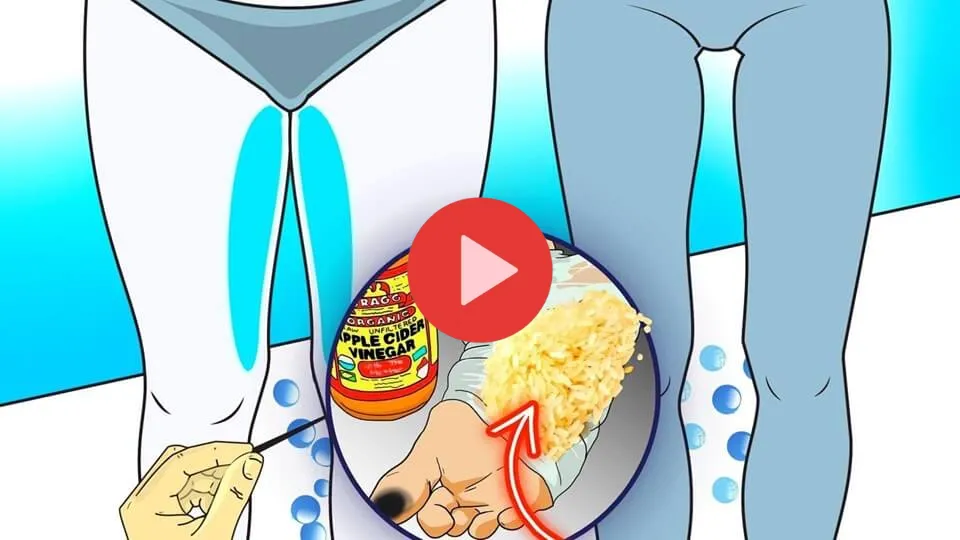
Try This "10-Second Fat-Burning Ritual" Routine Before Bed Tonight to Boost Your Metabolism and Burn Fat Naturally Overnight...
A highly acclaimed doctor and recent whistle-blower has spoken out, revealing an odd exotic rice method that can erase years of health damaging, confidence shattering belly fat for good.*
This top doctors breakthrough is designed to target the real biological root cause behind your slow metabolism & stubborn body fat,* which scientists are confirming to be an ancient calorie burning cells that have disappeared in you and are affecting almost all overweight people over the age of 35.
The $78 billion weight loss industry has deliberately kept this fast, easy & all-natural shortcut for lasting weight loss a secret, as it threatens millions in lost profits if enough people were to find out about it.
Watch this short, free presentation now and join the 234,205 people already using this
simple fat melting ritual, as this video could be taken down at any moment.
SEE WHAT OUR VIEWERS HAVE TO SAY ABOUT THIS METHOD

Sam Perkin- Dallas, USA
Sam Perkin is enjoying better oral health…
“I’ve always taken such good care of my teeth but it always felt like I wasn’t doing enough. Now, for the first time in decades, my teeth feel amazing.”

Portia Thompson
- Florida, USA
Portia Thompson loves her fresh breath…
“It’s just unbelievable how much I like ProDentim. I’m so glad my dentist recommended it to me!”

Theo Franklin
- Chicago, USA
Theo Franklin doesn’t spend fortunes on dentists...
“My gums have never looked better. It feels so good to not have to worry about my teeth. I simply love it!”
If you or someone you know is dealing with dental issues or gum problems, you cannot afford to miss this video! Take immediate action and uncover the revolutionary breakthrough that could transform your oral health today! Don't delay another moment—watch now!
Click the button below to watch this free video

FDA Compliance
All content and information found on this page are for informational purposes only and are not intended to diagnose, treat, cure or prevent any disease. The FDA hasn't evaluated the statements provided on this page. Make sure you consult with a licensed doctor before taking any supplement or making any changes to your diet or exercise plan. Individual results may vary.
The display of third-party trademarks and trade names on this site does not necessarily indicate any affiliation or endorsements of our website. If you click a merchant link and buy a product or service on their website, we may be paid a fee by the merchant.